
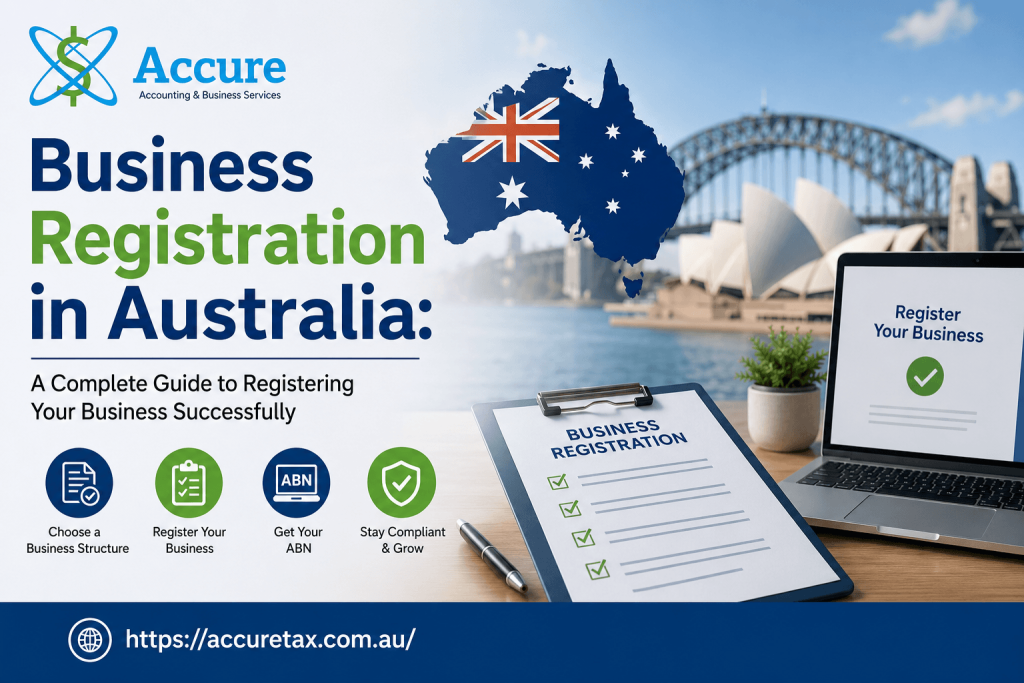
Starting a new venture requires careful planning, legal compliance, and the right structure. Understanding business registration in australia is one of the first and most important steps toward launching a successful enterprise. Whether you are a sole trader, partnership, trust, or corporation, completing the required formalities correctly helps establish credibility, supports tax compliance, and creates a solid foundation for future growth. Knowing the process in advance also reduces delays, avoids unnecessary costs, and ensures that your venture meets all legal obligations from the beginning.
Every entrepreneur should understand the available legal structures, taxation responsibilities, licensing requirements, and industry-specific obligations before commencing operations. By preparing the necessary documents and following the correct process, you can confidently move from planning to operating with fewer complications.
Understanding the Process of Registering a Company
Before beginning, it is essential to determine which legal structure best suits your goals. The chosen structure affects taxation, liability, reporting obligations, and future expansion opportunities.
Common Legal Structures
| Structure | Best For | Liability | ax Considerations |
| Sole Trader | Individual entrepreneurs | Personal liability | Individual income tax |
| Partnership | Two or more owners | Shared liability | Partners pay individual tax |
| Trust | Asset protection and family | Trustee responsibility | Depends on trust type |
| Corporation | Growing enterprises | Limited liability | Corporate tax rates apply |
Choosing the right option depends on your expected revenue, risk profile, investment plans, and long-term objectives.]
Steps for Registering a Company
The overall process usually includes several important stages.
- Choose the appropriate legal structure.
- Select a unique trading identity.
- Apply for an Australian Business Number (ABN).
- Obtain an Australian Company Number (ACN) if incorporating.
- Register for Goods and Services Tax (GST), if required.
- Set up Pay As You Go (PAYG) withholding where applicable.
- Open a dedicated bank account.
- Secure industry licences and permits.
- Maintain accurate financial records.
- Meet ongoing reporting and taxation obligations.
Completing these steps correctly helps avoid compliance issues and allows operations to begin smoothly.
Selecting the Right Trading Identity
Your trading identity represents your brand in the marketplace. It should be easy to remember, legally available, and suitable for future growth.
Before finalising your choice, consider:
- Availability across official registers
- Trademark availability
- Domain availability
- Branding potential
- Customer recognition
- Future expansion plans
Conducting proper checks before making a final decision reduces the possibility of conflicts later.
Obtaining an Australian Business Number (ABN)
An Australian Business Number serves as a unique identifier for taxation and commercial purposes. Many suppliers, clients, and government agencies require an ABN before working with an organisation.
An ABN enables you to:
- Issue tax invoices
- Register for GST
- Claim GST credits
- Deal with government agencies
- Operate professionally with suppliers
Having an ABN is often one of the earliest administrative requirements for many new ventures.
Understanding GST Requirements
Goods and Services Tax applies to many organisations once turnover reaches the required threshold.
GST registration generally allows you to:
- Collect GST on taxable sales
- Claim input tax credits
- Submit Business Activity Statements (BAS)
- Meet Australian Taxation Office obligations
Even where compulsory thresholds are not met, some operators voluntarily register because of commercial benefits.
Licences and Industry Permits
Different industries require different approvals before commencing operations.
Examples include:
- Food handling permits
- Building licences
- Health service approvals
- Import and export permits
- Professional certifications
- Environmental approvals
Requirements vary depending on the industry and operating location, making early research essential.
Financial Record Keeping
Maintaining organised records is essential for taxation, reporting, and financial planning.
Good record keeping includes:
- Income records
- Expense receipts
- Payroll documentation
- Bank statements
- Tax invoices
- Asset purchases
- Financial statements
Digital accounting software can simplify ongoing bookkeeping and improve reporting accuracy.
Understanding Business Registration QLD Requirements
Although national rules apply across the country, business registration qld may involve additional local licences, council approvals, and industry-specific permits depending on where operations are located.
Entrepreneurs should verify whether local councils require:
- Planning approvals
- Home-based operation permits
- Health inspections
- Environmental compliance
- Signage approvals
Checking these local requirements before launching helps avoid unexpected interruptions.
Common Mistakes New Entrepreneurs Make
Many first-time founders encounter avoidable problems during the setup process.
Common mistakes include:
- Selecting the wrong legal structure
- Failing to understand tax obligations
- Missing licence requirements
- Mixing personal and commercial finances
- Ignoring ongoing compliance deadlines
- Choosing an unavailable trading identity
- Keeping incomplete financial records
Avoiding these mistakes saves time, money, and administrative effort later.
Ongoing Compliance Responsibilities
Completing the initial setup is only the beginning. Ongoing compliance remains equally important.
Regular responsibilities may include:
- Lodging tax returns
- Updating organisational details
- Maintaining accounting records
- Renewing licences
- Paying employee superannuation
- Meeting payroll obligations
- Filing annual reports where required
Remaining compliant reduces legal risks and supports sustainable growth.
Benefits of Proper Setup
Following the correct procedures provides several long-term advantages.
These include:
- Improved professional credibility
- Easier access to finance
- Better tax management
- Legal protection
- Increased customer confidence
- Simplified hiring processes
- Greater expansion opportunities
Proper planning at the beginning often prevents costly corrections later.
Conclusion
Establishing a successful venture requires more than a good idea. Understanding legal structures, taxation, licensing, financial management, and ongoing compliance creates a strong foundation for sustainable growth. Careful preparation allows entrepreneurs to avoid common mistakes while meeting all legal obligations efficiently. Whether launching a small operation or planning future expansion, following the correct process from the beginning makes long-term success more achievable. Paying close attention to business name registration in australia and related compliance requirements helps ensure smooth operations, improved credibility, and confidence as your enterprise grows.
Faqs
What is business registration in Australia?
Business registration in Australia is the process of legally establishing a business entity by selecting a suitable structure, obtaining an ABN, and meeting all relevant tax and licensing requirements before commencing operations.
Do I need an ABN to start a business?
Yes, most businesses require an Australian Business Number (ABN) to issue invoices, register for GST, interact with government agencies, and operate professionally.
What legal structure should I choose?
The right structure depends on your goals. Common options include sole trader, partnership, trust, and company. Each offers different tax obligations, liability protection, and reporting requirements.
Is GST registration mandatory?
GST registration becomes mandatory once your annual turnover reaches the Australian Taxation Office (ATO) threshold. Some businesses choose to register voluntarily even before reaching this limit.
How long does it take to register a company in Australia?
The timeframe varies depending on the application and documentation. Many registrations can be completed within one or two business days if all required information is provided accurately.

No comment